
Neurodiversity in Veterinary Medicine
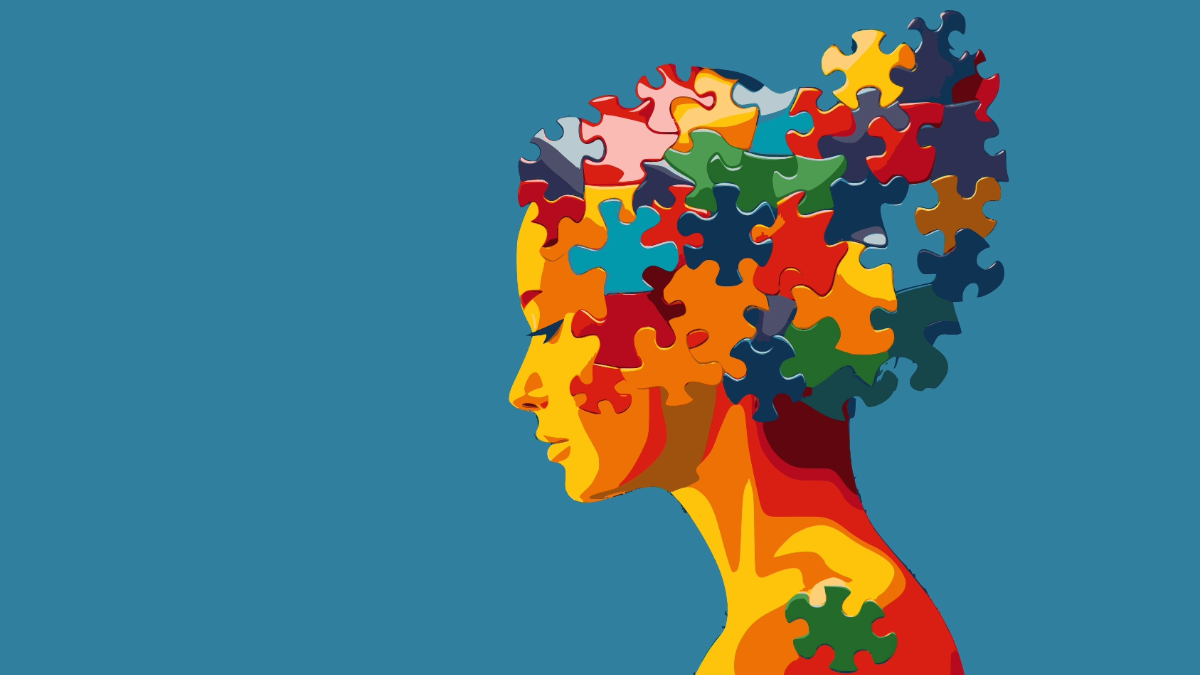
A few weeks ago, at 52 years old, I was diagnosed with AuDHD, a combination of ADHD and autism.
To be honest, I didn’t see it coming.
Or maybe I did.
Maybe there had always been clues:
the chronic overwhelm,
the exhaustion after social interaction,
the intense empathy,
the difficulty with transitions,
the constant feeling that life seemed easier for other people,
the racing brain that never shut off,
the ability to hyperfocus for hours while forgetting to eat,
the sensory overload,
the perfectionism,
the emotional intensity,
the deep need for meaning,
the burnout that no amount of “self-care” ever seemed to fix.
For most of my life, I just assumed, and was often told, I was “too much.”
Too sensitive.
Too emotional.
Too driven.
Too intense.
Too scattered.
Too awkward.
Too exhausted.
And like many women, especially women in caring professions, I became very, very good at masking.
I learned how to perform competence.
How to overprepare.
How to push through.
How to care for everyone else while quietly unraveling myself.
Veterinary medicine rewards that in many ways.
It rewards high achievers.
People who can tolerate chaos.
People who can function under pressure.
People who sacrifice themselves for others.
But what happens when the person underneath that coping system is struggling far more than anyone realizes?
What happens when burnout is not just burnout?
For me, this diagnosis has brought both grief and relief.
Grief for the younger version of me who thought she was failing at life.
Who spent decades trying harder instead of understanding herself better.
Who internalized overwhelm as weakness.
Who wondered why rest never seemed restorative.
Who felt perpetually out of step with the world.
But also relief.
Relief that there was never something “wrong” with me.
Relief that my brain is not broken, just differently wired.
Relief that so many pieces of my life suddenly make sense.
And perhaps most importantly, compassion.
The kind I have so easily given to others, but rarely to myself.
I’m sharing this because I suspect I am far from alone.
Especially in veterinary medicine.
I think there are many veterinarians, technicians, managers, and support staff walking around believing they are simply bad at coping, lazy, disorganized, overly emotional, difficult, or failing at adulthood, when in reality they may be navigating neurodivergence in systems that were never built for them.
Particularly women.
Particularly women in midlife.
Particularly women who have spent decades masking so successfully that even they did not realize how hard they were working just to appear “fine.”
This diagnosis has also deepened my understanding of why I created Off the Beaten Path Veterinary Retreats in the first place.
I wanted to create spaces that felt different from traditional veterinary culture.
Less performative.
Less overwhelming.
Less transactional.
Spaces where people could exhale.
Spaces where conversations about burnout, nervous system overload, boundaries, identity, grief, belonging, and neurodiversity could happen honestly.
Spaces where people could feel seen.
Not fixed.
Not optimized.
Not told to simply become more resilient.
Just seen.
And that is a large part of why our Scotland retreat means so much to me.
Not because it is about labels or diagnoses.
But because it is about understanding humans better.
Understanding how differently people think, process, communicate, feel, and move through the world, and what happens when workplaces fail to recognize that.
For anyone reading this who has ever felt chronically overwhelmed, perpetually exhausted, deeply sensitive, “too much,” or somehow different in ways you could not explain:
You are not broken.
You may simply be carrying a story about yourself that was never true.
Thank you for being here.
And thank you for walking this path with me.
Dr. Midge Ritchie
Founder, Off the Beaten Path Veterinary Retreats